Return to entryChecking Rose printable layout…
Herbs & Salts Grimoire

Rose

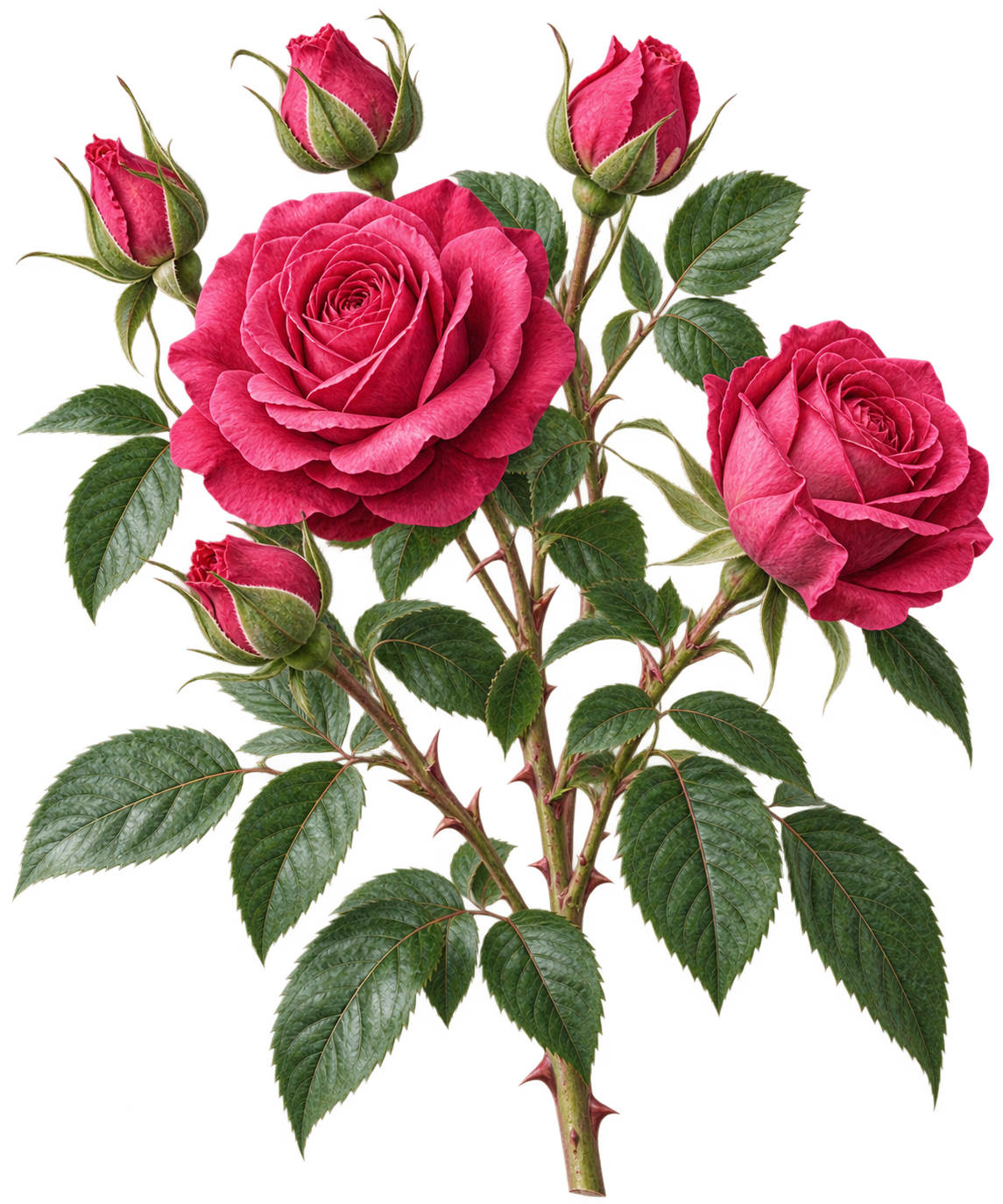
Rosa spp. Damask rose (Rosa × damascena) is especially important historically in rose water and rose oil, but not every commercial dried rose product is Damask rose.

Traditional Uses

Rose petals have long been used in perfumery, rose water, culinary sweets, teas, potpourri, cosmetics, devotional offerings, and decorative garlands. Damask rose became especially important in rose-water and attar production.

Folklore

Roses have carried powerful symbolism across many cultures, especially love, beauty, secrecy, mortality, devotion, and sacred fragrance. In Greco-Roman traditions the rose became closely linked with Aphrodite/Venus and love.

Magical Associations

  • Love
  • self-love
  • compassion
  • beauty

Core Correspondences

Element:
Water
Planet:
Venus
Deities:
Aphrodite/Venus · other
Energy:
Love, compassion
Chakra:
Heart

Witchcraft Uses

  • Self-love work
  • love and friendship rituals
  • reconciliation
  • beauty/glamour work
  • devotional offerings

Caution

Use only food-grade, pesticide-free rose material for tea or food.

Educational purposes only. Not medical advice.

How to Work With

Use dried petals or buds in baths, incense blends, charm bags, candle dressing, altar bowls, or ritual oils prepared with safe infusion methods.

Best Time to Harvest

For aromatic petals, harvest freshly opened flowers in dry weather after dew has lifted but before strong midday heat.

Correspondences

Color: Varies by working • Number: 5 is a • Tarot: The Empress and • Metal: Copper, by Venus

Herbs & Salts Grimoire

Rose

Rosa spp. Damask rose (Rosa × damascena) is especially important historically in rose water and rose oil, but not every commercial dried rose product is Damask rose.

Botanical Profile

Plant FamilyRosaceae
Common NamesRose · rose petals · rosebuds
Alternate Names
Growth HabitPerennial woody shrub or climber
Native RangeThe genus Rosa is native across much of the temperate and subtropical
HabitatSpecies and cultivars vary, but many cultivated roses prefer sun, fertile well-drained soil, regular airflow
Identifying CharacteristicsWoody stems usually bearing prickles; compound leaves with toothed leaflets; flowers ranging from simple five-petaled forms to
Parts Traditionally UsedPetals, flower buds, hips, rose water/hydrosol

Traditional Uses & Modern Evidence

Rosa species appear in multiple traditional medical systems. Rose petals, rose water, and rose preparations have historically been used as cooling, aromatic, astringent, digestive, or soothing preparations, while rose hips were valued as food and later recognized as rich in vitamin C. Rose's food, fragrance, and traditional-use histories are separate from modern clinical evidence.

Magical & Spiritual Practice

Self-love work; love and friendship rituals; reconciliation; beauty/glamour work; devotional offerings; grief and remembrance rituals; baths; incense; candle dressing; ritual oils; sachets; altar decoration.

Notes & Personal Connection

Add your own experiences, observations, and notes about working with this plant. How does it speak to you? What is your personal connection?

Safety & Caution

Use only food-grade, pesticide-free rose material for tea or food.

Sources & Research Notes

https://pubmed.ncbi.nlm.nih.gov/28917365/ • https://pmc.ncbi.nlm.nih.gov/articles/PMC4737971/