Return to entryChecking Rosemary printable layout…
Herbs & Salts Grimoire

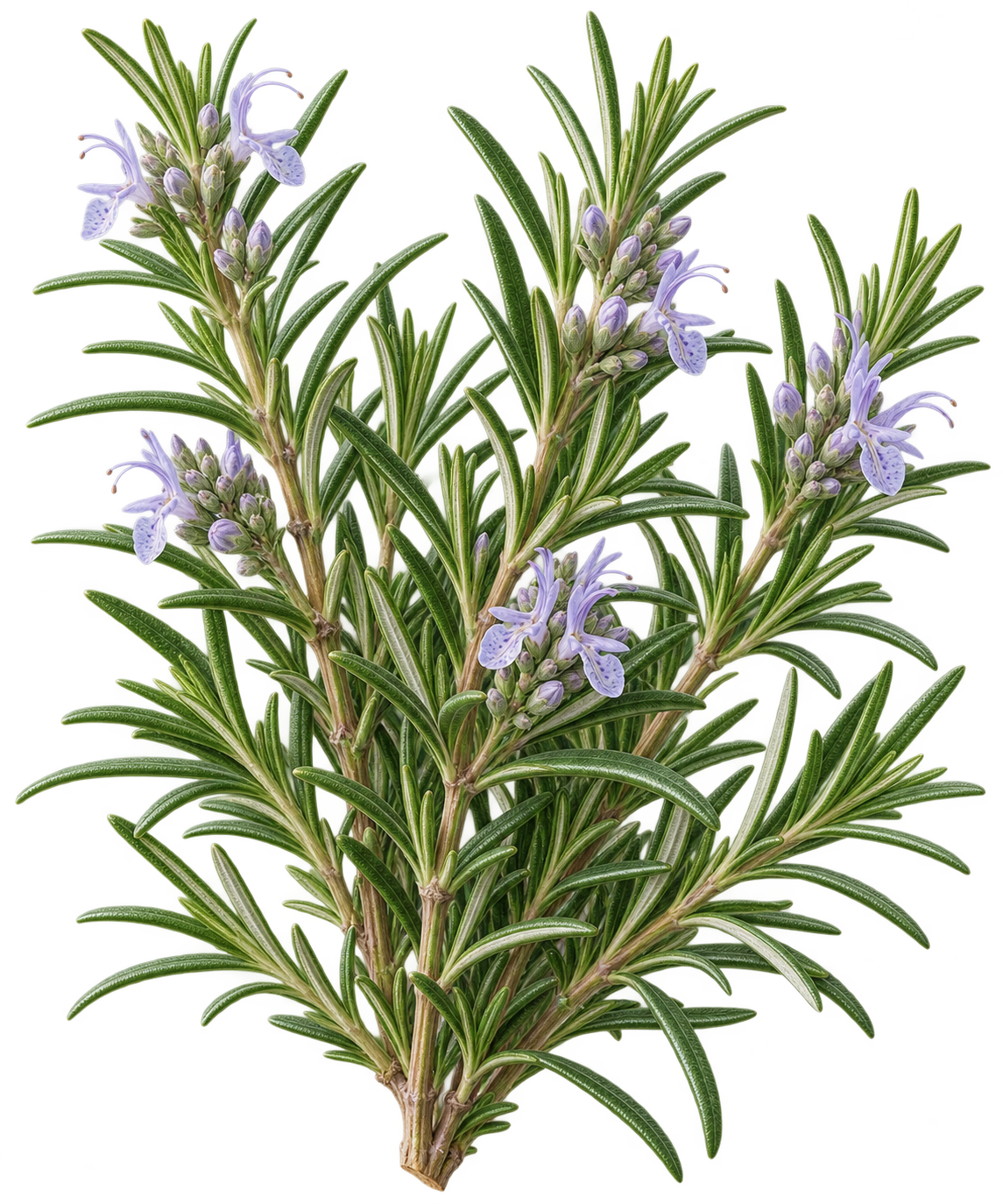
Rosemary

Salvia rosmarinus Spenn.

Traditional Uses

Rosemary has a long culinary history, especially in Mediterranean cuisine. Leaves have been used fresh or dried to flavor meats, breads, vegetables, oils, and other foods.

Folklore

Rosemary’s strongest historically grounded symbolism centers on remembrance, fidelity, continuity, and memory. Its presence at both weddings and funerals made it a plant of enduring bonds across major life transitions.

Magical Associations

  • Remembrance
  • Protection
  • Cleansing
  • Purification

Core Correspondences

Element:
Fire
Planet:
Sun is
Energy:
Clarifying · protective
Chakra:
Solar

Witchcraft Uses

  • Add rosemary to protection sachets and household
  • Use in cleansing bowls, simmer pots, or
  • Burn a small amount as incense only
  • Include in remembrance altars, ancestor work, weddings
  • Add to spell jars for clarity, focus

Caution

Rosemary is widely used safely in culinary amounts.

Educational purposes only. Not medical advice.

How to Work With

For remembrance work, hold or place a sprig of rosemary beside a photograph, letter, heirloom, or written name.

Best Time to Harvest

Rosemary can be harvested throughout the year.

Correspondences

Color: Deep green · blue-violet • Tarot: The Sun is • Metal: Gold is a • Season: Spring through summer

Herbs & Salts Grimoire

Rosemary

Salvia rosmarinus Spenn.

Botanical Profile

Plant FamilyLamiaceae
Common NamesRosemary
Alternate NamesGarden Rosemary · Common Rosemary
Growth HabitRosemary is an evergreen aromatic shrub, often reaching roughly 1–2 m when
Native RangeThe accepted species Salvia rosmarinus is native to the Mediterranean region
HabitatRosemary thrives in full sun and well-drained soil, reflecting its Mediterranean origin
Identifying CharacteristicsEvergreen narrow leaves with rolled-under margins Dark green upper leaf surface and paler underside Strong, resinous, pine-like
Parts Traditionally UsedLeaves are the primary culinary and

Traditional Uses & Modern Evidence

Historical European herbals used rosemary in digestive, aromatic, warming, memory-related, and topical preparations. Rosemary also acquired a strong historical reputation as a memory herb. These traditions are valuable historical context, but should not be presented as proof that rosemary improves memory, circulation, pain, digestion, or other conditions in every person. Rosemary contains compounds including rosmarinic acid and volatile aromatic constituents that have been studied in laboratory and experimental settings.

Magical & Spiritual Practice

For remembrance work, hold or place a sprig of rosemary beside a photograph, letter, heirloom, or written name. Speak or write what you want to remember rather than treating the herb as a substitute for the memory itself. For household cleansing, place rosemary in a bowl, sachet, or simmer pot and move room by room naming what you want the space to support: clarity, protection, steadiness, or peace.

Notes & Personal Connection

Add your own experiences, observations, and notes about working with this plant. How does it speak to you? What is your personal connection?

Safety & Caution

Rosemary is widely used safely in culinary amounts.

Sources & Research Notes

Royal Botanic Gardens, Kew • European Medicines Agency