Return to entryChecking Cinnamon printable layout…
Herbs & Salts Grimoire

Cinnamon

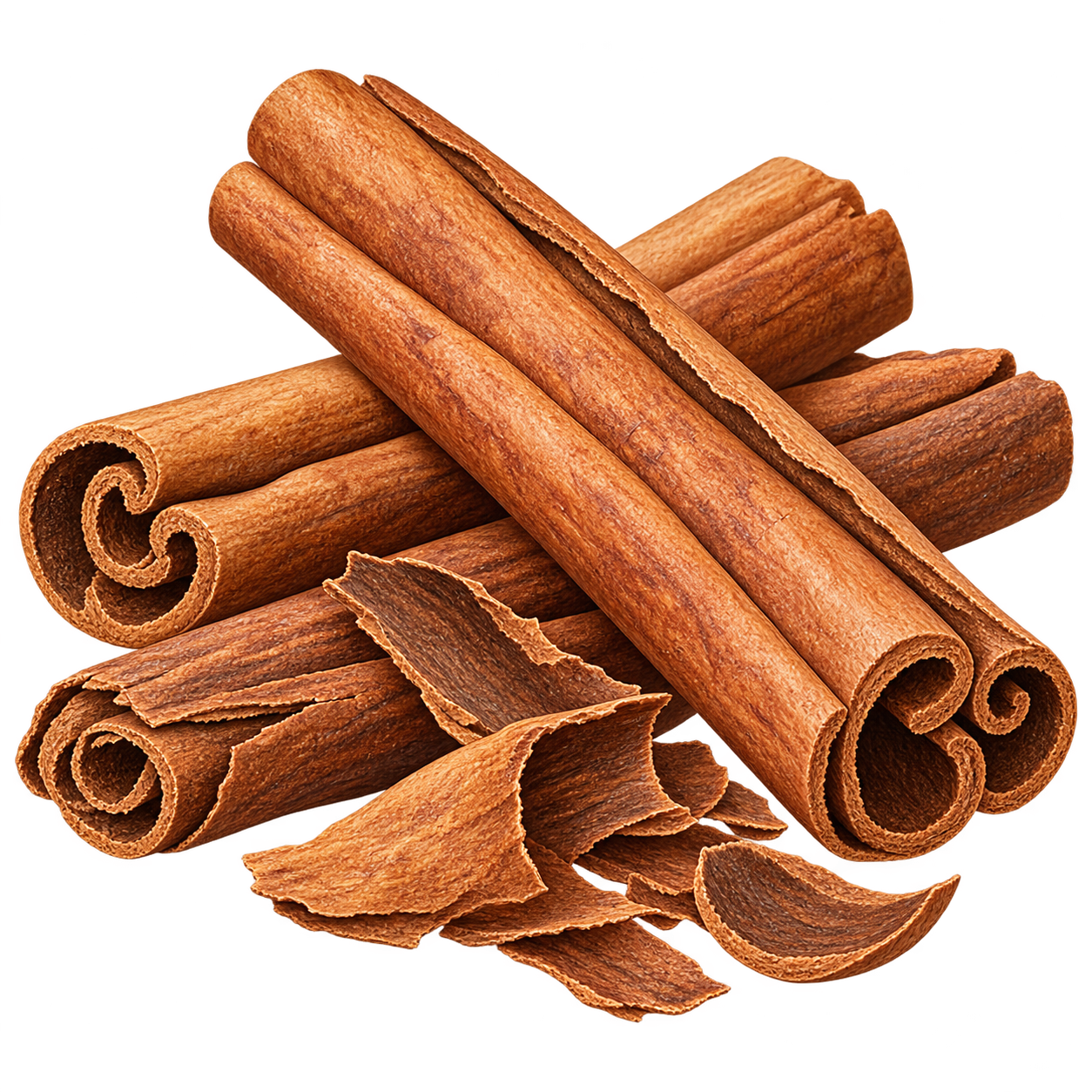
True or Ceylon cinnamon: Cinnamomum verum J.Presl. Commercial “cinnamon” may also come from related Cinnamomum species sold as cassia, including C. cassia and C. burmannii.

Traditional Uses

Cinnamon has been traded for centuries as a culinary spice, perfume ingredient, incense material, and medicinal aromatic.

Folklore

Cinnamon’s rarity and long-distance trade helped give it associations with wealth, sacred fragrance, status, warmth, and luxury. Historical European writers repeated exaggerated stories about where cinnamon came from, reflecting how mysterious its source once seemed to Mediterranean buyers.

Magical Associations

  • Prosperity
  • success
  • attraction
  • protection

Core Correspondences

Element:
Fire
Planet:
Sun
Deities:
No · modern
Energy:
Heat, movement
Chakra:
Solar

Witchcraft Uses

  • Prosperity work
  • success spells
  • road-opening and momentum work
  • protection blends
  • attraction work

Caution

Cinnamon powder can irritate eyes and airways.

Educational purposes only. Not medical advice.

How to Work With

Use chips or sticks in simmer pots, charm bags, prosperity bowls, or loose incense blends.

Best Time to Harvest

For Ceylon cinnamon production, young shoots are harvested after several years of growth and then on a repeating cycle.

Correspondences

Color: Red, brown, gold • Number: 1 is a • Tarot: The Sun, Strength • Metal: Gold, by solar

Herbs & Salts Grimoire

Cinnamon

True or Ceylon cinnamon: Cinnamomum verum J.Presl. Commercial “cinnamon” may also come from related Cinnamomum species sold as cassia, including C. cassia and C. burmannii.

Botanical Profile

Plant FamilyLauraceae
Common NamesCinnamon · Ceylon cinnamon · true cinnamon (for C. verum)
Alternate Names
Growth HabitEvergreen tropical tree. C
Native RangeCinnamomum verum is native to Sri Lanka
HabitatWet tropical climate; commercial cinnamon is cultivated for its aromatic inner bark
Identifying CharacteristicsGlossy evergreen leaves, reddish when young and green with age; small pale flowers; highly aromatic bark
Parts Traditionally UsedInner bark · bark oil and leaf oil exist

Traditional Uses & Modern Evidence

Traditional systems have used cinnamon bark preparations for digestive discomfort, appetite, respiratory complaints, and “warming” formulas. Systematic reviews note a long ethnomedical history but also emphasize that laboratory or animal findings do not automatically establish clinical treatment effects. Present historical uses as tradition, not instructions to treat disease. Cinnamon is a culinary spice, while extracts and supplements are concentrated products.

Magical & Spiritual Practice

Prosperity work; success spells; road-opening and momentum work; protection blends; attraction work; courage and confidence rites; incense; candles; simmer pots; seasonal winter magic; offerings when culturally appropriate.

Notes & Personal Connection

Add your own experiences, observations, and notes about working with this plant. How does it speak to you? What is your personal connection?

Safety & Caution

Cinnamon powder can irritate eyes and airways.

Sources & Research Notes

Royal Botanic Gardens, Kew