Herbs & Salts Grimoire
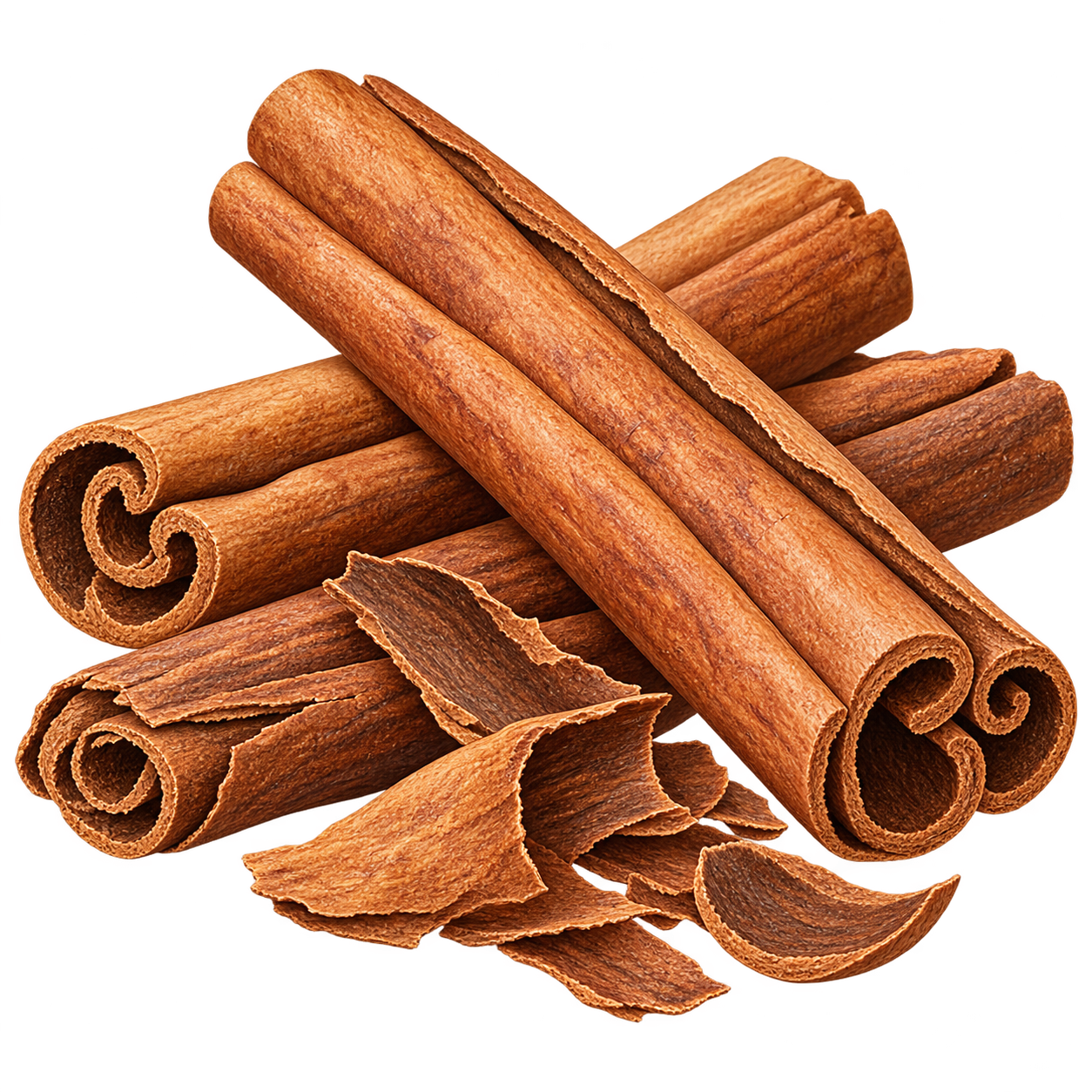
Cinnamon
True or Ceylon cinnamon: Cinnamomum verum J.Presl. Commercial “cinnamon” may also come from related Cinnamomum species sold as cassia, including C. cassia and C. burmannii.Quick Reference
Traditional Uses
Cinnamon has been traded for centuries as a culinary spice, perfume ingredient, incense material, and medicinal aromatic. Ancient Egyptian use included embalming mixtures; medieval European medicine used cinnamon preparations for complaints such as cough and sore throat. In Asian traditional medicine, Cinnamomum species have long histories as warming aromatic ingredients.
Magical Associations
- Prosperity
- success
- attraction
- protection
- courage
- passion
- vitality
- speed
- motivation
- psychic/spiritual focus
- warmth.
Folklore
Cinnamon’s rarity and long-distance trade helped give it associations with wealth, sacred fragrance, status, warmth, and luxury. Historical European writers repeated exaggerated stories about where cinnamon came from, reflecting how mysterious its source once seemed to Mediterranean buyers. Its later place in winter foods and spiced drinks strengthened associations with warmth, celebration, and prosperity.
Core Correspondences
Witchcraft Uses
- Prosperity work
- success spells
- road-opening and momentum work
- protection blends
- attraction work
- courage and confidence rites
- incense
- candles
- simmer pots
- seasonal winter magic
- offerings when culturally appropriate.
⚠ Caution
Cinnamon powder can irritate eyes and airways. Concentrated cinnamon essential oil can be highly irritating and requires appropriate dilution; do not treat essential oil as interchangeable with dried bark. Cassia-type cinnamon can contain more coumarin than Ceylon cinnamon, so culinary use should follow normal food guidance.
Educational purposes only. Not medical advice.How to Work With
Use chips or sticks in simmer pots, charm bags, prosperity bowls, or loose incense blends. Add a small amount to candle dressing only when fire safety allows and loose botanicals are kept away from the wick/flame. For ritual oil, use a properly prepared infusion rather than undiluted essential oil on skin. Cinnamon pairs naturally with orange peel and clove for prosperity or warmth-focused work.
Best Time to Harvest
For Ceylon cinnamon production, young shoots are harvested after several years of growth and then on a repeating cycle. Kew notes commercial branch harvest commonly occurs from about September to November in producing regions. Outer bark is removed and inner bark peeled, layered, rolled, and dried.
Correspondences
- Color
- Red, brown, gold
Page 2 of 2
Deeper Reading
Botanical Profile
- Plant Family
- Lauraceae
- Common Names
- Ceylon cinnamon · true cinnamon (for C. verum) · cassia
- Growth Habit
- Evergreen tropical tree. C. verum can grow roughly 10–15 m if uncut, though commercial production often coppices trees into lower bushy growth.
- Native Range
- Cinnamomum verum is native to Sri Lanka. Related commercial cinnamon/cassia species originate elsewhere in South and Southeast Asia.
- Habitat
- Wet tropical climate; commercial cinnamon is cultivated for its aromatic inner bark. Repeated coppicing encourages straight young shoots suitable for bark harvest.
- Identifying Characteristics
- Glossy evergreen leaves, reddish when young and green with age; small pale flowers; highly aromatic bark. The spice consists of the inner bark, dried as thin quills, chips, or powder.
- Parts Traditionally Used
- Inner bark · bark oil and leaf oil exist but are much more concentrated preparations and require separate safety handling.
Traditional & Historical Medicinal Uses
Traditional systems have used cinnamon bark preparations for digestive discomfort, appetite, respiratory complaints, and “warming” formulas. Systematic reviews note a long ethnomedical history but also emphasize that laboratory or animal findings do not automatically establish clinical treatment effects. Present historical uses as tradition, not instructions to treat disease.
Magical Uses
Prosperity work; success spells; road-opening and momentum work; protection blends; attraction work; courage and confidence rites; incense; candles; simmer pots; seasonal winter magic; offerings when culturally appropriate.
Modern Evidence
Cinnamon is a culinary spice, while extracts and supplements are concentrated products. Evidence does not justify broad treatment claims, and coumarin exposure, liver conditions, pregnancy, blood sugar, and medicine interactions matter.
Notes & Personal Connection
Add your own experiences, observations, and notes about working with this plant. How does it speak to you? What is your personal connection?
Keep This Grimoire Entry
Print Page 1 and Page 2 together, single-sided or front and back.
Download to Print