Return to entryChecking Orange Peel printable layout…
Herbs & Salts Grimoire

Orange Peel

Sweet orange: Citrus × sinensis (L.) Osbeck; Kew currently treats this name within Citrus × aurantium f. aurantium.

Traditional Uses

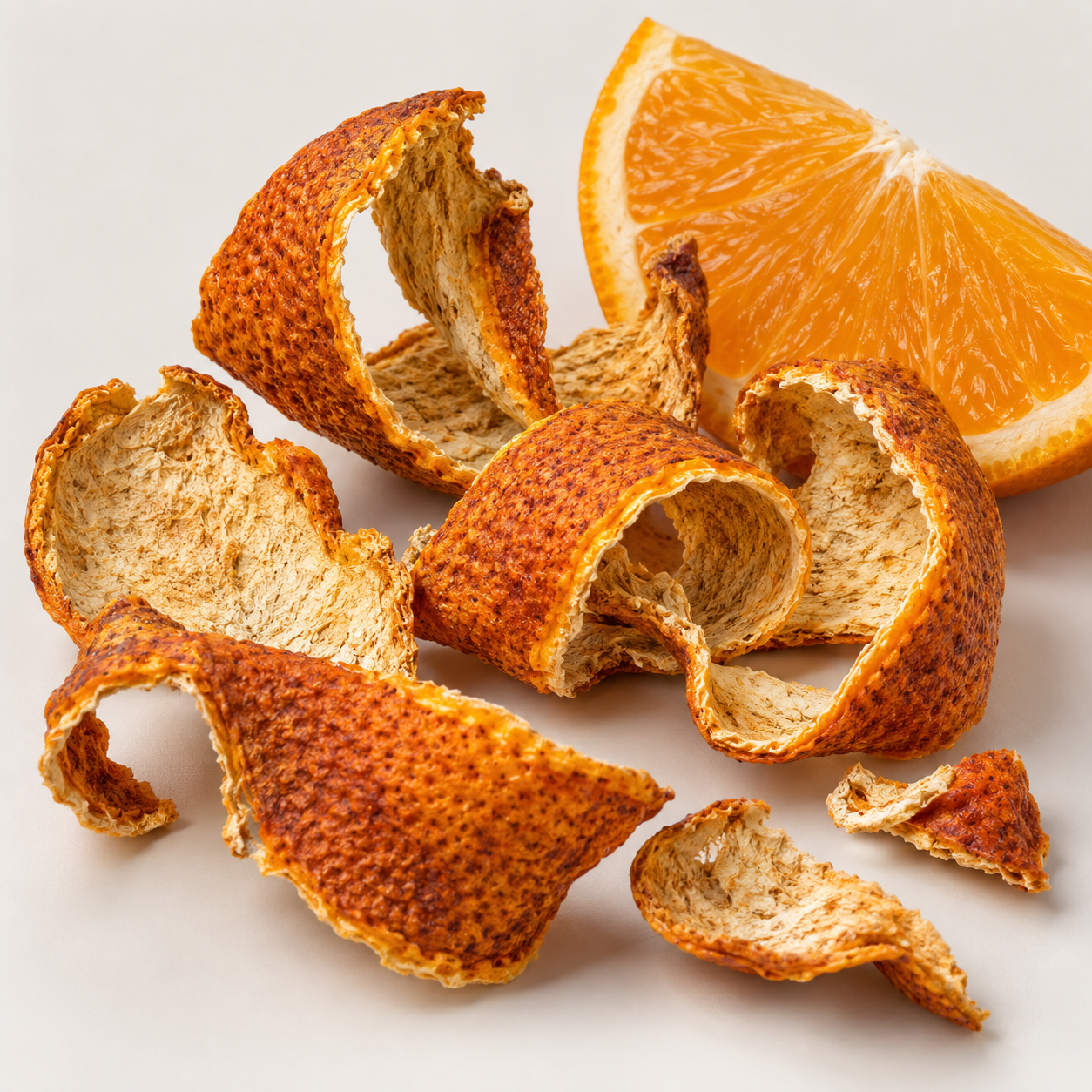
Orange peel has long been used as a culinary aromatic in cakes, confectionery, marmalade, candied peel, syrups, liqueurs, spice blends, and household fragrance. The peel’s essential-oil-rich outer layer is especially valued for aroma and flavor.

Folklore

Citrus fruits traveled through long trade networks from Asia into the Mediterranean and later the Americas. In Europe, oranges became associated with luxury, winter festivity, hospitality, and prosperity because they were once costly imports and prized greenhouse fruits.

Magical Associations

  • Joy
  • vitality
  • success
  • prosperity

Core Correspondences

Element:
Fire
Planet:
Sun
Deities:
Solar · deity
Energy:
Joy, vitality
Chakra:
Solar

Witchcraft Uses

  • Prosperity work
  • road-opening work
  • confidence and success rituals
  • attraction work
  • home blessing

Caution

Use food-grade peel for food and drink.

Educational purposes only. Not medical advice.

How to Work With

Use dried peel in simmer pots, loose incense blends, charm bags, prosperity bowls, or ritual oils made by safe infusion methods.

Best Time to Harvest

Harvest peel from mature, sound fruit when the orange has developed full color and aroma.

Correspondences

Color: Orange, gold, yellow • Number: 1 is a • Tarot: The Sun is • Metal: Gold, by solar

Herbs & Salts Grimoire

Orange Peel

Sweet orange: Citrus × sinensis (L.) Osbeck; Kew currently treats this name within Citrus × aurantium f. aurantium.

Botanical Profile

Plant FamilyRutaceae
Common NamesSweet orange peel · orange rind · orange zest
Alternate Names
Growth HabitBroadleaf evergreen citrus tree, often 8–10 m tall when mature, though cultivated
Native RangeSweet orange is an ancient cultivated hybrid with ancestry from mandarin- and
HabitatWarm tropical to subtropical climates; full sun; well-drained soil; frost tender
Identifying CharacteristicsEvergreen tree with glossy aromatic leaves, fragrant white flowers, and round to oval orange fruit
Parts Traditionally UsedFruit peel/rind and zest · fruit and juice

Traditional Uses & Modern Evidence

Different Citrus species have distinct medicinal traditions, so sweet orange peel should not be conflated with every citrus materia medica. Sweet orange peel has been used as an aromatic and digestive household ingredient, while aged mandarin peel has a separate formal history in Chinese medicine. Sweet orange peel is a food and flavoring with traditional-use history.

Magical & Spiritual Practice

Prosperity work; road-opening work; confidence and success rituals; attraction work; home blessing; simmer pots; incense; ritual oils; seasonal winter work; solar magic; offerings where appropriate.

Notes & Personal Connection

Add your own experiences, observations, and notes about working with this plant. How does it speak to you? What is your personal connection?

Safety & Caution

Use food-grade peel for food and drink.

Sources & Research Notes

Royal Botanic Gardens, Kew