Return to entryChecking Wormwood printable layout…
Herbs & Salts Grimoire

Wormwood

Artemisia absinthium L.

Traditional Uses

Wormwood has a long European and Mediterranean history as an intensely bitter herb used around appetite and mild digestive complaints. EMA classifies these as traditional indications based on long-standing use, not established clinical efficacy.

Folklore

Wormwood's intense bitterness and strong aroma shaped later symbolism of protection, cleansing, separation, unwanted influence, and firm boundaries. Its fame also reflects its historic role in absinthe and vermouth.

Magical Associations

  • protection
  • banishing
  • boundaries
  • release

Core Correspondences

Element:
Air
Energy:
protective • severing • liminal • discerning

Witchcraft Uses

  • sealed boundary sachets
  • banishing and release work
  • divination and discernment
  • dream-work symbolism
  • smoke-free cleansing

Caution

Thujone risk: avoid in pregnancy, nursing, children, allergies, and liver/biliary disease.

Educational purposes only. Not medical advice.

How to Work With

Keep a small amount sealed in a boundary sachet or labeled jar, or use the botanical image in divination and release work. Ingestion and smoke are unnecessary.

Best Time to Harvest

Gather healthy leaves and flowering tops around bloom on a dry day after dew lifts. Dry with good ventilation and label clearly.

Correspondences

Color: silver • gray • muted green • black • Season: summer • early autumn

Herbs & Salts Grimoire

Wormwood

Artemisia absinthium L.

Botanical Profile

Plant FamilyAsteraceae
Common NamesWormwood • common wormwood • absinthe wormwood
Alternate NamesGrand wormwood • absinthium
Growth HabitBushy aromatic perennial, often 2–4 feet tall
Native RangeEurope and North Africa through western and central Asia
HabitatSunny, dry, well-drained fields, slopes, roadsides, and old gardens
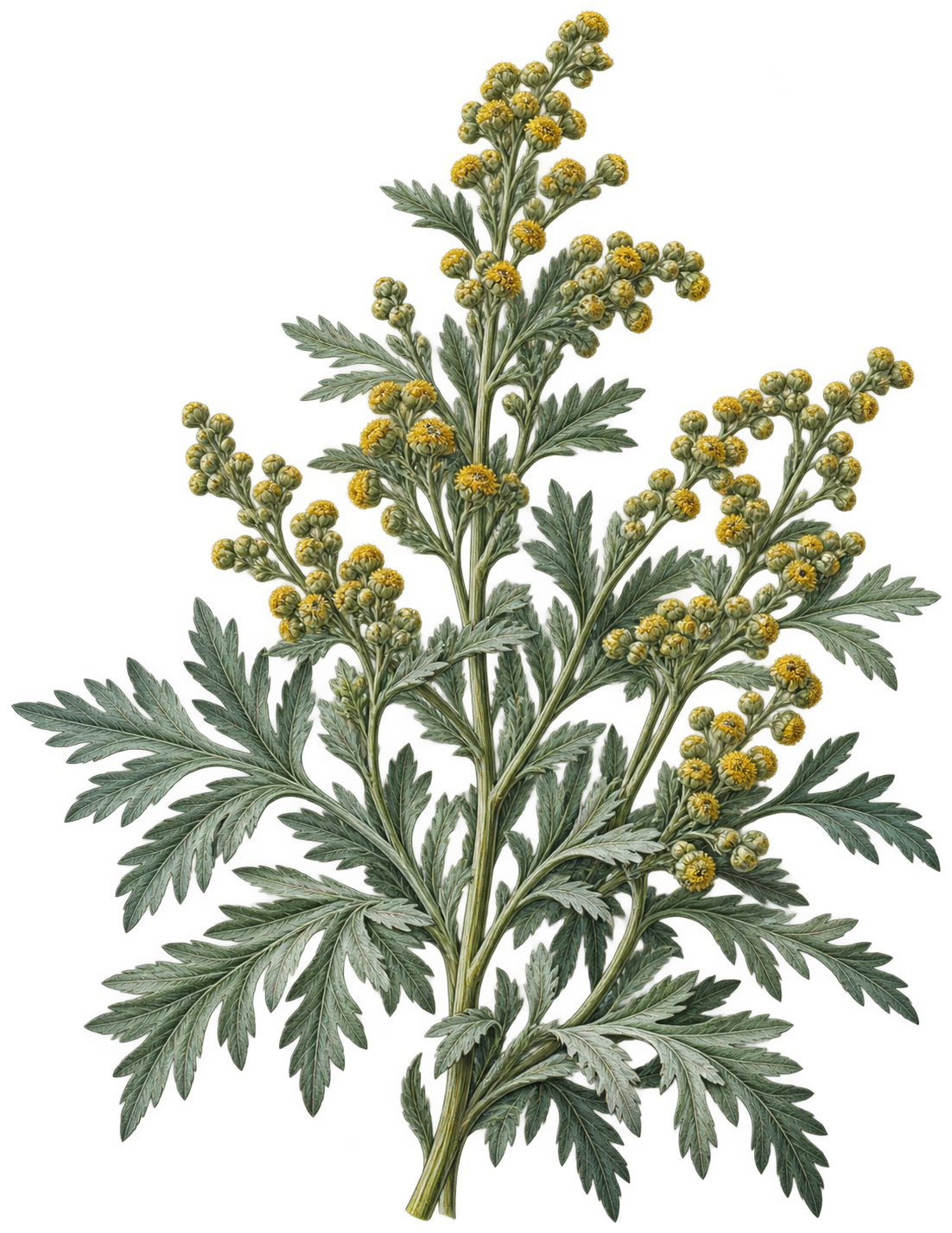
Identifying CharacteristicsSilvery divided leaves; pale stems; small yellow-green button-like flower heads
Parts Traditionally UsedLeaves • leafy flowering tops

Traditional Uses & Modern Evidence

Wormwood has a long history in bitters, household herbalism, vermouth, and absinthe. EMA recognizes traditional use for temporary appetite loss and mild digestive complaints; this records long-standing use, not established clinical efficacy. Wormwood is not Artemisia annua and must not be presented as an artemisinin substitute or malaria treatment.

Magical & Spiritual Practice

Modern folk-magic and occult practice associate Wormwood with protection, banishing, uncrossing, boundaries, release, divination, dreams, and spirit work. Use sealed sachets, labeled jars, written intentions, or the botanical image. These associations are modern or interpretive rather than one universal ancient tradition.

Notes & Personal Connection

Add your own observations and notes about working with Wormwood. Where are firmer boundaries, honest discernment, or intentional release needed in your practice?

Safety & Caution

Thujone risk: avoid during pregnancy/lactation and childhood. Heed Asteraceae-allergy and liver/biliary cautions. Never ingest essential oil.

Sources & Research Notes

Kew Science • European Medicines Agency • peer-reviewed Artemisia absinthium review