Herbs & Salts Grimoire
Epsom Salt
Magnesium sulfate heptahydrateQuick Reference
History & Tradition
Epsom salt has long been used in baths, foot soaks, and household preparations. In ritual settings it is commonly used for spiritual baths, floor washes, or cleansing blends because it dissolves easily and carries a strong symbolic association with release and purification.
Magical Associations
- Cleansing
- release
- purification
- boundary setting
- uncrossing
- calm
- transition
- spiritual bathing.
Folklore
Epsom salt does not carry the same deep ancient folkloric body as many herbs, but it has become a familiar modern cleansing material in household, bathing, and ritual practice. Its role in contemporary witchcraft is usually practical and symbolic: dissolving heaviness, releasing stress, and supporting purification.
Core Correspondences
Witchcraft Uses
- Ritual baths
- uncrossing baths
- cleansing foot soaks
- home blessing washes
- purification bowls
- moon rituals
- transition rites
- releasing work.
⚠ Caution
For external household or bathing use unless a product is specifically labeled and safely intended otherwise. Keep away from eyes and broken skin unless appropriate for the product and situation. Essential oils or botanicals added to bath blends may introduce their own safety concerns. Keep containers sealed and dry.
Educational purposes only. Not medical advice.How to Work With
Dissolve Epsom salt into a ritual bath, foot soak, or household cleansing mixture appropriate to your practice. Combine with botanicals only when the resulting use remains skin-safe and cleanup-safe. It is especially useful in release or reset work because the crystals disappear into water, reinforcing the symbolism of dissolution and letting go.
Storage & Handling
Not a harvested plant material. Use as purchased and store dry.
Correspondences
- Color
- White, clear
Page 2 of 2
Deeper Reading
Material Profile
- Category
- Mineral salt compound / inorganic material. Not a culinary sodium chloride salt and not a botanical.
- Common Names
- magnesium sulfate · bath salt.
- Material Type
- Mineral salt / Bath ingredient
- Regional Association
- The name “Epsom salt” comes from Epsom in Surrey, England, where mineral-rich waters historically yielded magnesium sulfate. Today the material is widely manufactured and sold for household and bath use.
- Composition
- Magnesium sulfate heptahydrate
- Identifying Characteristics
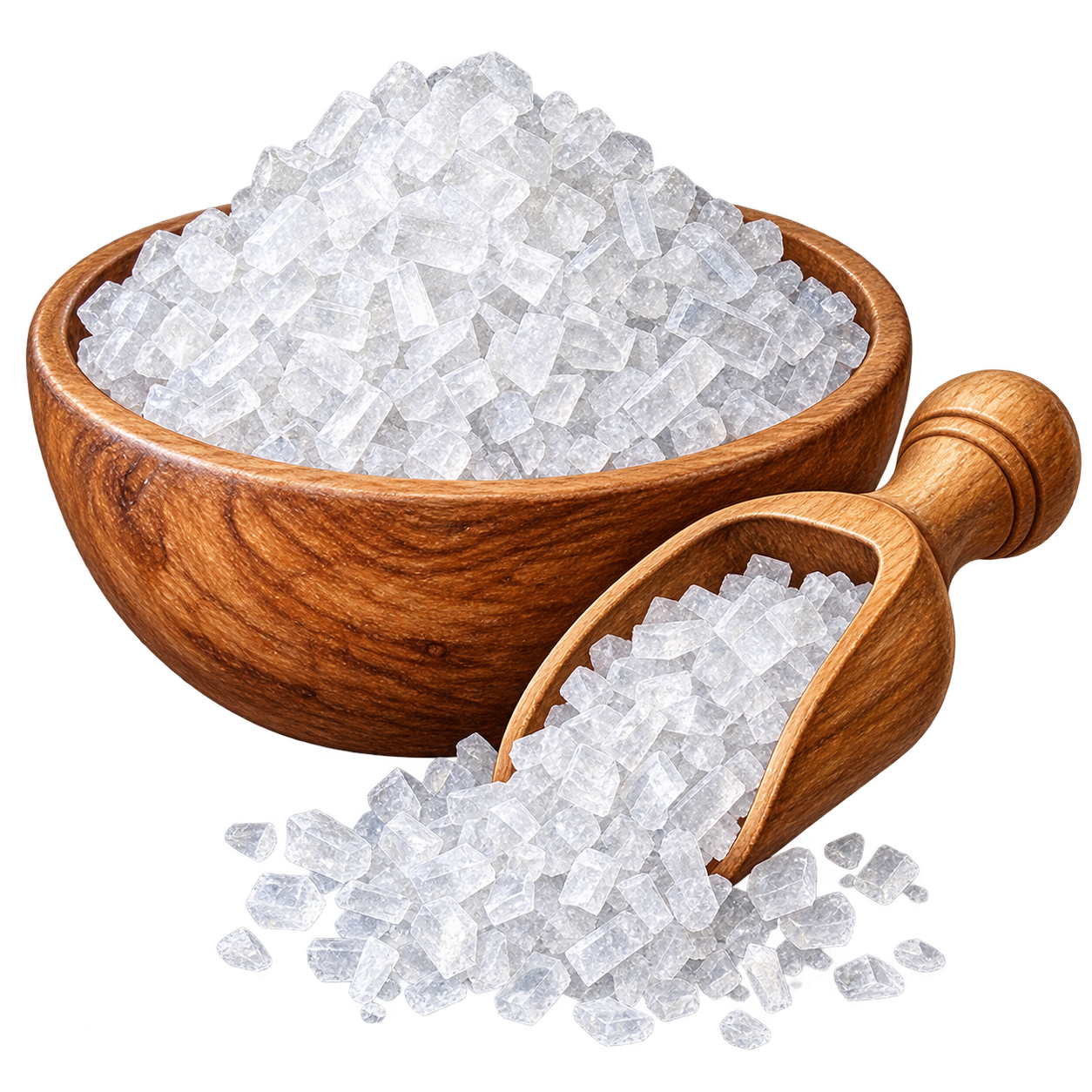
- White or translucent crystals or granules, usually odorless, readily soluble in warm water.
- Material
- The dissolved salt itself in baths, soaks, or household preparations.
History & Tradition
Historically, magnesium sulfate has appeared in therapeutic and laxative contexts, but this Grimoire page should not instruct medicinal use or imply that ritual-grade product use is medical guidance. Present such information only as historical context and keep the caution strong.
Magical Uses
Ritual baths; uncrossing baths; cleansing foot soaks; home blessing washes; purification bowls; moon rituals; transition rites; releasing work.
Modern Evidence
Epsom salt is magnesium sulfate, but soaking is not proven to deliver the broad systemic benefits often advertised. It is not interchangeable with edible salt; ingestion and medical use require label directions and professional guidance.
Notes & Personal Connection
Add your own experiences, observations, and notes about working with this material. How does it speak to you? What is your personal connection?
Keep This Grimoire Entry
Print Page 1 and Page 2 together, single-sided or front and back.
Download to Print