Herbs & Salts Grimoire
Pink Himalayan Salt
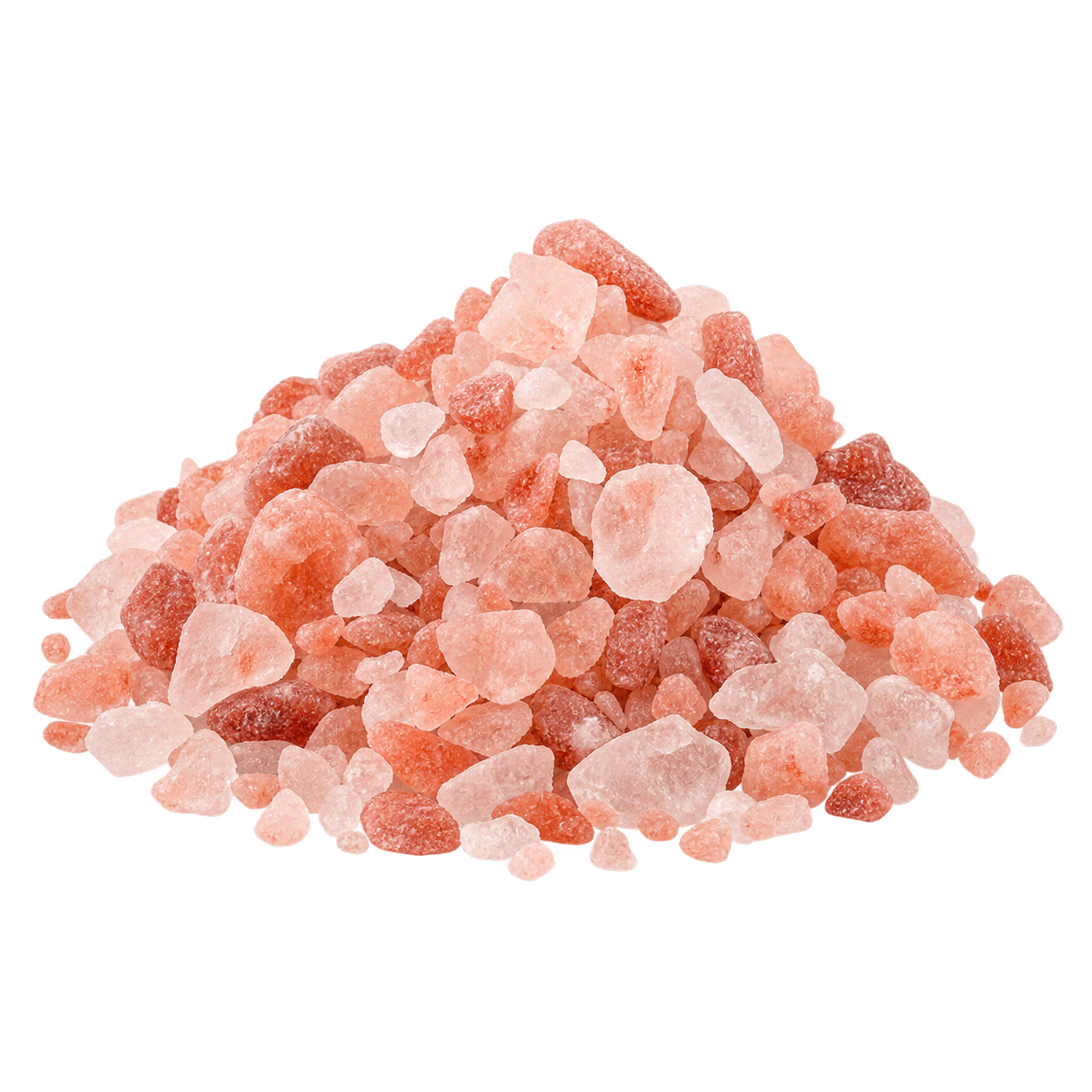
Rock salt / halite with trace minerals that contribute its pink coloration.Quick Reference
History & Tradition
Pink Himalayan salt is widely used in food, baths, decorative household products, and modern ritual practice. In witchcraft and spiritual practice it is often used for cleansing, purification, grounding, bath blends, altar bowls, and boundary work.
Magical Associations
- Cleansing
- purification
- grounding
- peace
- emotional soothing
- protection
- self-love
- boundary setting
- calm
- release.
Folklore
Salt in general carries a long cross-cultural history in preservation, purification, hospitality, covenant symbolism, warding, and ritual boundary making. Pink Himalayan salt participates in those broader salt traditions while also taking on newer modern associations related to its color, including gentleness, emotional soothing, and self-love symbolism.
Core Correspondences
Witchcraft Uses
- Cleansing bowls
- ritual baths
- floor washes
- altar bowls
- boundary lines
- self-love rites
- protection jars
- home blessing
- release work
- grounding baths.
⚠ Caution
Use food-grade material only for culinary use. Bath or ritual blends are not automatically edible. Salt can damage some surfaces, stain some soft stones, and harm soil or plants if overused outdoors. Use caution in baths if you have skin sensitivities or if the blend includes additional botanicals or essential oils.
Educational purposes only. Not medical advice.How to Work With
Use pink Himalayan salt in ritual baths, bowl spells, altar dishes, offerings where salt is appropriate, boundary lines, home-cleansing blends, or self-love work. It can be combined with dried botanicals in bath formulas when the ingredients remain skin-safe, or placed in small bowls on an altar as a symbolic anchor of calm, grounding, and purification.
Storage & Handling
Not a harvested plant material. Use as purchased and store dry in a sealed container.
Correspondences
Page 2 of 2
Deeper Reading
Material Profile
- Category
- Mineral salt / evaporite material.
- Common Names
- Himalayan pink salt · pink rock salt.
- Material Type
- Mineral salt / evaporite material.
- Regional Association
- Commercial pink Himalayan salt is commonly sourced from the Salt Range in Punjab, Pakistan. The marketing name “Himalayan” refers to the broader regional identity rather than meaning it is harvested directly from high mountain peaks.
- Composition
- Rock salt / halite with trace minerals that contribute its pink coloration.
- Identifying Characteristics
- Pink to salmon-colored crystalline salt, usually translucent to opaque, with a saline taste if food-grade and a dry granular texture. Color intensity can range from very pale blush to deeper rose-orange depending on particle size and trace mineral content.
- Material
- The salt crystals themselves.
History & Cultural Context
Commercial pink Himalayan salt is mined rock salt associated with Pakistan's Salt Range. Its color reflects trace constituents, but historical or regional identity does not establish exceptional nutritional or therapeutic properties.
History & Tradition
Salt has a long history in preserving food, seasoning, ritual purification, trade, and household use. Pink Himalayan salt is a modern commercial variety of rock salt frequently used in baths, soaks, and culinary applications.
Magical Uses
Cleansing bowls; ritual baths; floor washes; altar bowls; boundary lines; self-love rites; protection jars; home blessing; release work; grounding baths.
Modern Evidence
Pink Himalayan salt is primarily sodium chloride. Trace minerals account for color but do not establish superior nutrition, detoxification, or disease-treatment benefits; ordinary dietary sodium guidance still applies.
Notes & Personal Connection
Add your own experiences, observations, and notes about working with this material. How does it speak to you? What is your personal connection?
Keep This Grimoire Entry
Print Page 1 and Page 2 together, single-sided or front and back.
Download to Print