Herbs & Salts Grimoire
Spearmint
Mentha spicata L.Quick Reference
Traditional Uses
Spearmint has long been used as a culinary herb in sauces, teas, sweets, salads, meat dishes, and regional cuisines. It also has a history in household herbal use and aromatic preparations.
Magical Associations
- Prosperity
- healing symbolism
- clarity
- refreshment
- abundance
- communication
- protection
- luck
- household peace.
Folklore
Mint has accumulated strong symbolism around hospitality, cleanliness, refreshment, prosperity, and welcome. Classical Mediterranean stories connect mint with the nymph Minthe/Mentha, though the exact botanical species represented by later retellings is uncertain. Modern witchcraft often uses spearmint for prosperity, healing symbolism, clarity, and energetic refreshment.
Core Correspondences
Witchcraft Uses
- Money and prosperity work
- cleansing baths
- household blessing
- tea rituals
- communication work
- sachets
- garden magic
- abundance bowls
- incense blends.
⚠ Caution
Use food-grade leaves for consumption. Mint may aggravate reflux in some people and may cause sensitivities. Essential oil is much more concentrated than the herb and requires separate dilution and safety guidance.
Educational purposes only. Not medical advice.How to Work With
Use fresh or dried spearmint in tea when food-grade, cleansing baths, prosperity bowls, household floor or wash symbolism where appropriate, garden offerings, or charm bags. Its bright aroma makes it especially useful in rituals meant to feel fresh, clear, welcoming, or forward-moving.
Best Time to Harvest
Harvest leaves before or as flowering begins, ideally in the morning after dew dries but before strong midday heat. Regular cutting encourages fresh growth.
Correspondences
- Color
- Green
Page 2 of 2
Deeper Reading
Botanical Profile
- Plant Family
- Lamiaceae
- Common Names
- garden mint · common mint · green mint
- Growth Habit
- Rhizomatous herbaceous perennial that spreads readily by underground runners.
- Native Range
- Native broadly from Europe through western and central Asia into parts of China; widely introduced and cultivated elsewhere.
- Habitat
- Often associated with moist soils, riverbanks, wetlands, garden edges, and irrigated ground. In cultivation it prefers moist fertile soil and can spread aggressively.
- Identifying Characteristics
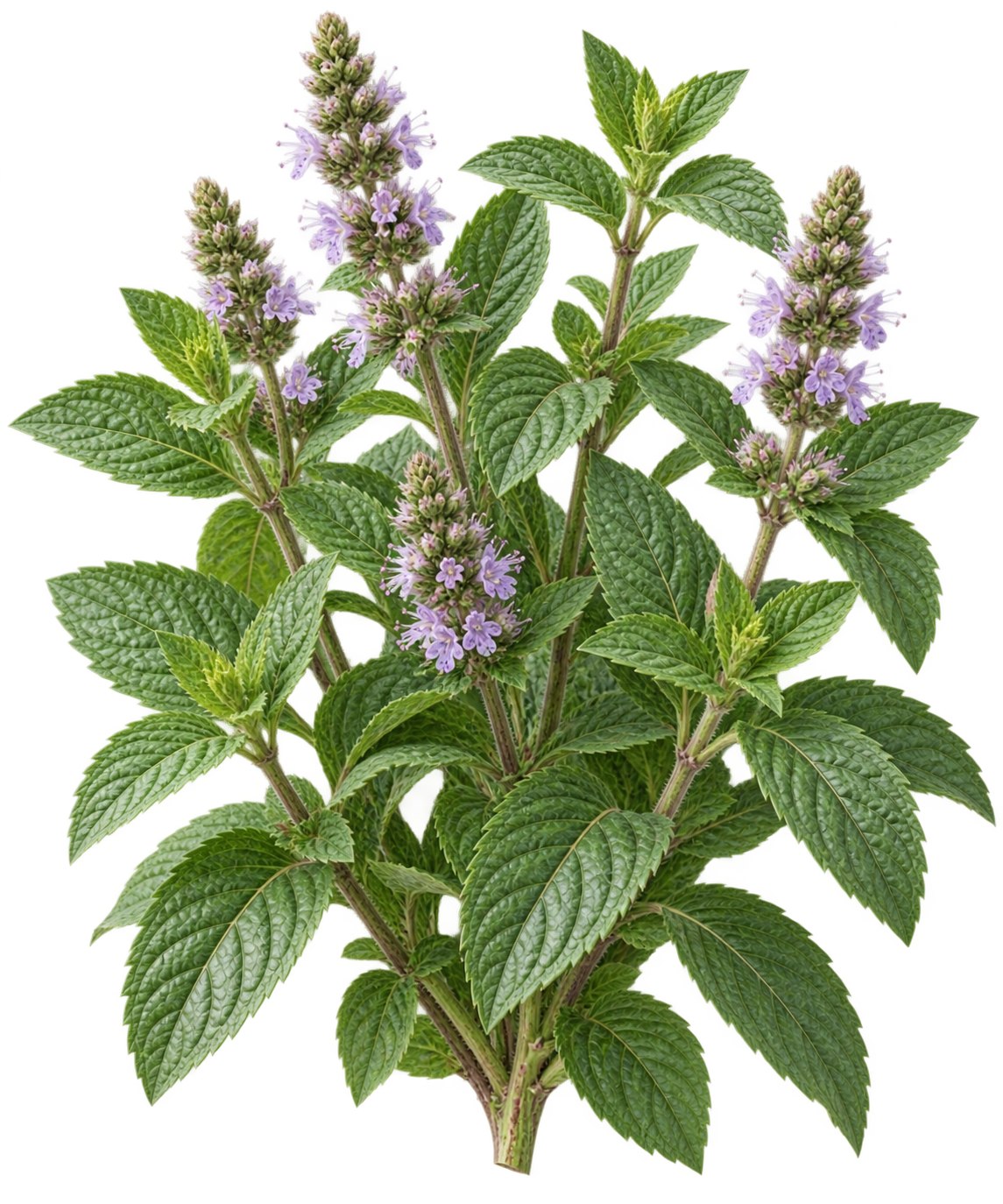
- Bright green lance-shaped to ovate leaves with serrated margins, square stems typical of the mint family, opposite leaves, and slender spikes of small pale pink, lilac, or white flowers. Leaves have a sweet cool mint aroma dominated by carvone rather than the strong menthol profile of peppermint.
- Parts Traditionally Used
- Leaves and flowering aerial parts.
Traditional & Historical Medicinal Uses
Spearmint has long been used in household herbal traditions for digestion, breath freshening, and soothing teas.
Magical Uses
Money and prosperity work; cleansing baths; household blessing; tea rituals; communication work; sachets; garden magic; abundance bowls; incense blends.
Modern Evidence
Spearmint is widely used as a food and flavoring, but evidence for medicinal claims remains limited and preparation-specific. Concentrated extracts and essential oil are not equivalent to culinary leaf.
Notes & Personal Connection
Add your own experiences, observations, and notes about working with this plant. How does it speak to you? What is your personal connection?
Keep This Grimoire Entry
Print Page 1 and Page 2 together, single-sided or front and back.
Download to Print